Decoding Plastic Codes: A Guide to Recycling Different Polymer Types for Businesses
Effective recycling starts with identification. For businesses generating industrial plastic waste, “plastic” is too broad a term. To maximize the value of your scrap and ensure it can be reintroduced into the economy, you must understand the specific polymer types. This guide breaks down the standard resin identification codes and what they mean for your business’s waste management strategy.
The Big Three for B2B Recycling
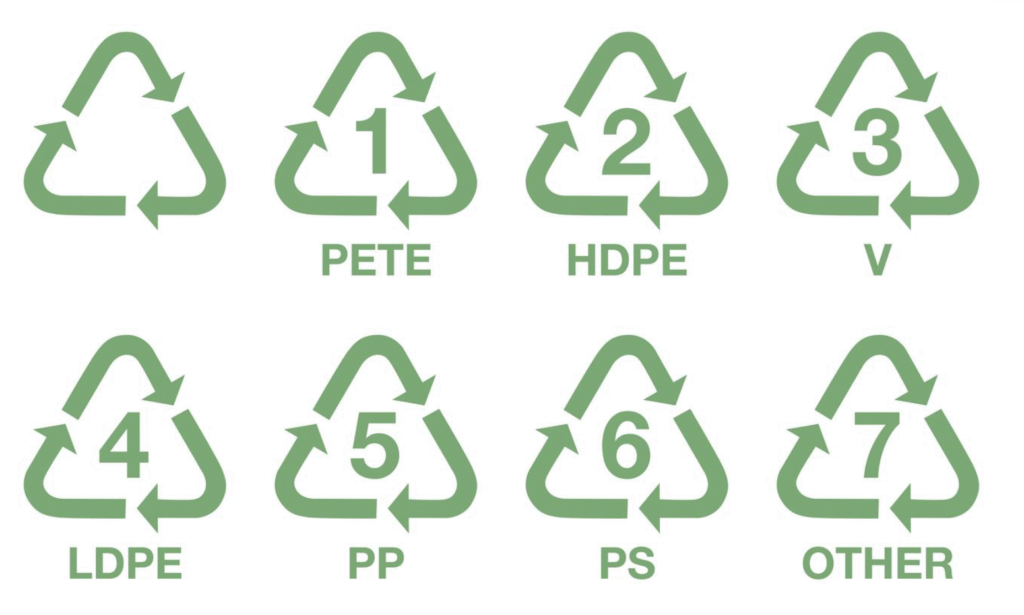
While there are seven standard codes, three are most prevalent in industrial recycling:
#1 PET (Polyethylene Terephthalate): Commonly found in beverage bottles and packaging. It is highly recyclable and in high demand for fiber (clothing/carpet) and new bottles.
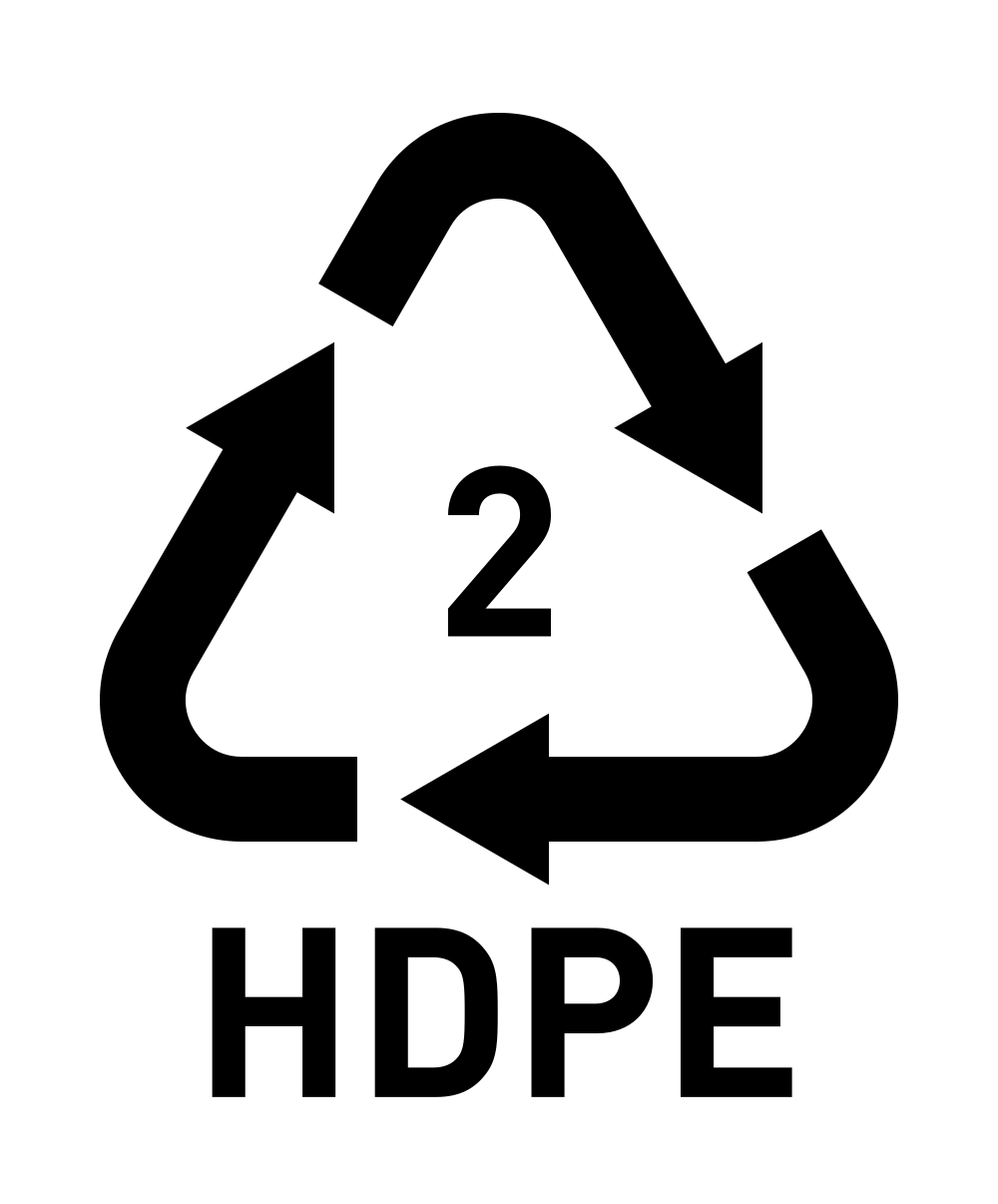
#2 HDPE (High-Density Polyethylene): Used for rigid containers (detergents, milk jugs) and pipes. It is tough, durable, and holds high market value when properly sorted.
#5 PP (Polypropylene): Found in bottle caps, automotive parts, and food containers. Historically harder to recycle, new technologies have made PP a sought-after commodity in the circular market.
The “Hard-to-Recycle” Categories PVC (#3), LDPE (#4), and PS (#6) present different challenges. LDPE (films and wraps) is valuable but requires keeping the stream clean and dry. PS (Styrofoam) is voluminous but lightweight, making transport costs high. Understanding these constraints helps businesses decide whether to separate these materials on-site or partner with a specialized waste manager.
Why Sorting Matters
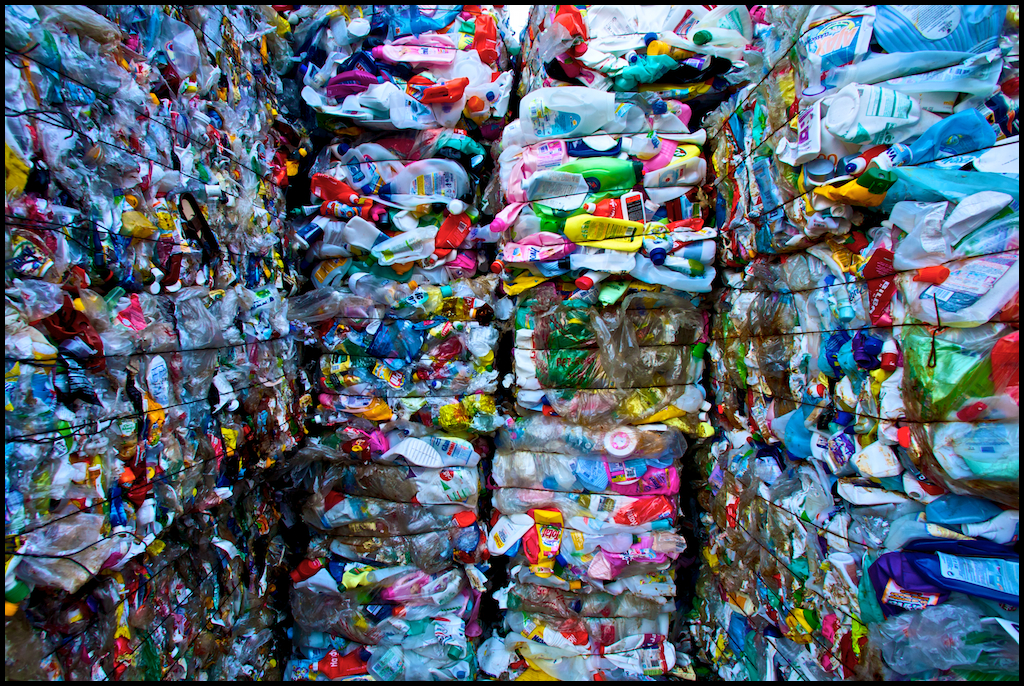
The value of your plastic waste is directly tied to its purity. A bale of HDPE contaminated with PVC renders the whole batch difficult to process. By training staff to identify codes and sort at the source, businesses can turn a waste disposal cost into a revenue-generating commodity.
Decoding plastic codes is the first step toward a profitable recycling program. When you understand what flows through your facility, you can manage it more effectively, reducing landfill fees and contributing to a closed-loop system.