Bridging the Quality Gap: How Advanced Recycling Rivals Virgin Plastic Performance
For decades, a stigma has plagued the recycling industry: the idea of “downcycling.” The prevailing belief was that recycled plastic is inherently inferior—weaker, cloudier, and less consistent than its virgin counterpart. While this may have been true twenty years ago, the landscape has shifted dramatically. Today, thanks to sophisticated reprocessing technologies, the gap between recycled and virgin plastics has virtually closed. This post explores the engineering and technology that allows recycled polymers to perform in high-stress, industrial applications without compromise.
The Revolution in Sorting Technology
Quality starts with purity. In the past, contamination was the primary culprit for weak recycled plastic. Today, Near-Infrared (NIR) optical sorters can identify and separate polymers with incredible precision, removing contaminants down to the microscopic level. Automated washing lines and density separation tanks ensure that the feedstock entering the extruder is nearly 99.9% pure. This level of decontamination is the foundation of “virgin-like” quality.

Compounding: The Secret Sauce
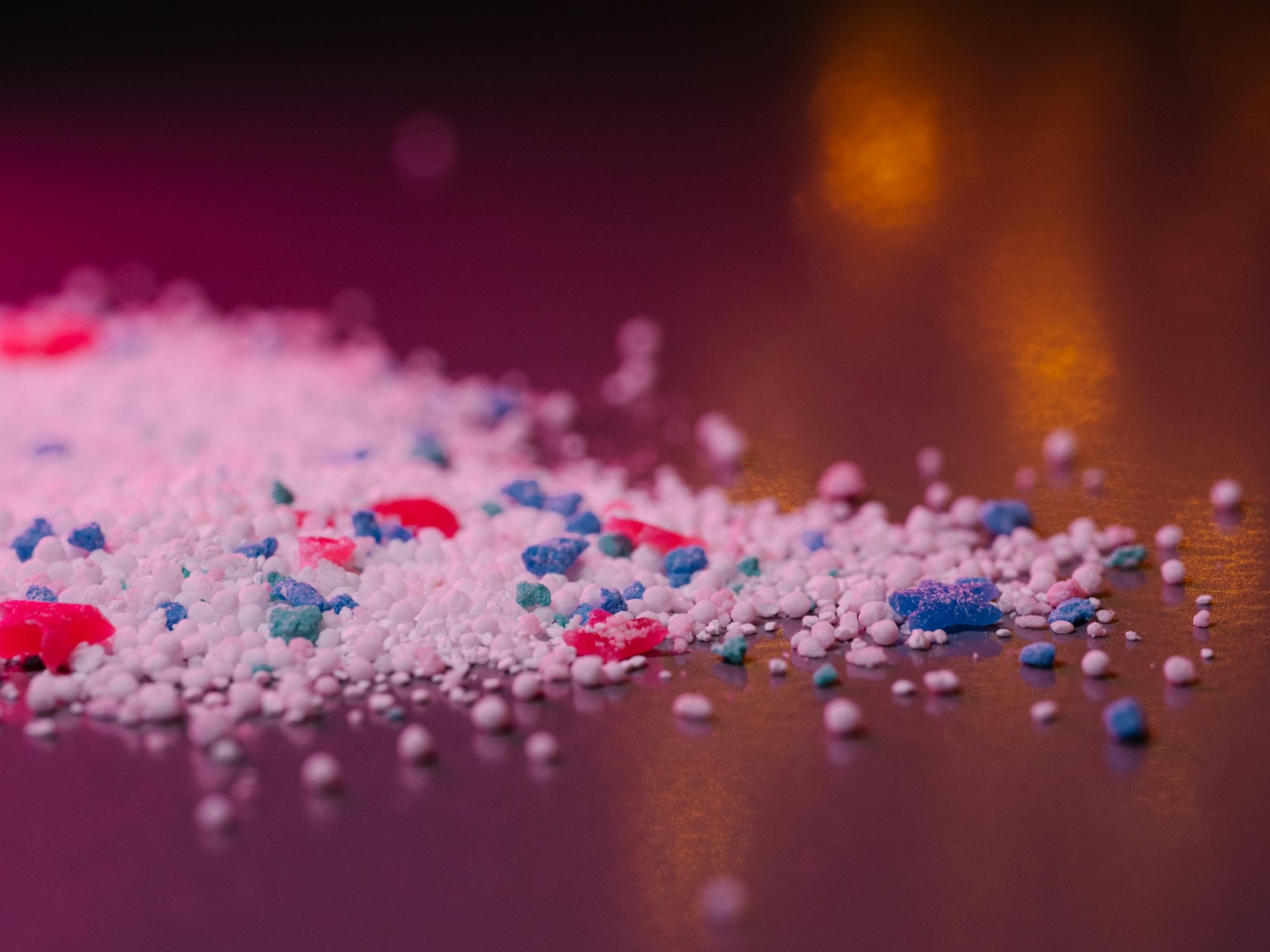
The real magic happens during compounding. Recycled plastic isn’t just melted down; it is engineered. By using specific additives, impact modifiers, and stabilizers during the extrusion process, recyclers can restore the polymer’s physical properties.
- Antioxidants prevent degradation during processing.
- Impact Modifiers restore toughness and flexibility.
- UV Stabilizers ensure the material can withstand outdoor exposure. This allows suppliers to tailor the melt flow index (MFI) and tensile strength to meet specific client manufacturing requirements, effectively customizing the plastic for the job.
Rigorous Testing Standards
Modern recycled plastics undergo the same rigorous ASTM and ISO testing protocols as virgin materials. From Charpy impact tests to tensile stress analysis, every batch is verified. Manufacturers can now request Certificates of Analysis (CoA) that prove the recycled material meets the exact technical specifications required for automotive parts, construction materials, or food-grade packaging.

The choice between “high quality” and “recycled” is no longer a binary one. With advanced sorting and precision compounding, businesses can maintain their rigorous quality standards while achieving their sustainability goals. The risk isn’t in switching to recycled; the risk is assuming you can’t.