5 Myths About Industrial Recycled Plastics You Need to Stop Believing
Despite the global push for sustainability, many B2B companies remain on the sidelines. Why? Because decision-makers are often operating on outdated information. Myths about cost, availability, and aesthetics continue to circulate in boardrooms, preventing businesses from seizing the competitive advantage of the circular economy. It is time to set the record straight. Here are the five most common myths about industrial recycled plastics—debunked.
Myth 1: “Recycled Plastic is Always More Expensive” The Reality: While this fluctuates with oil prices, recycled plastics often offer a cost advantage over virgin materials, especially when virgin resin prices spike due to geopolitical instability. Furthermore, using recycled materials exempts businesses from increasingly common “virgin plastic taxes” in the UK and EU, lowering the total cost of ownership.
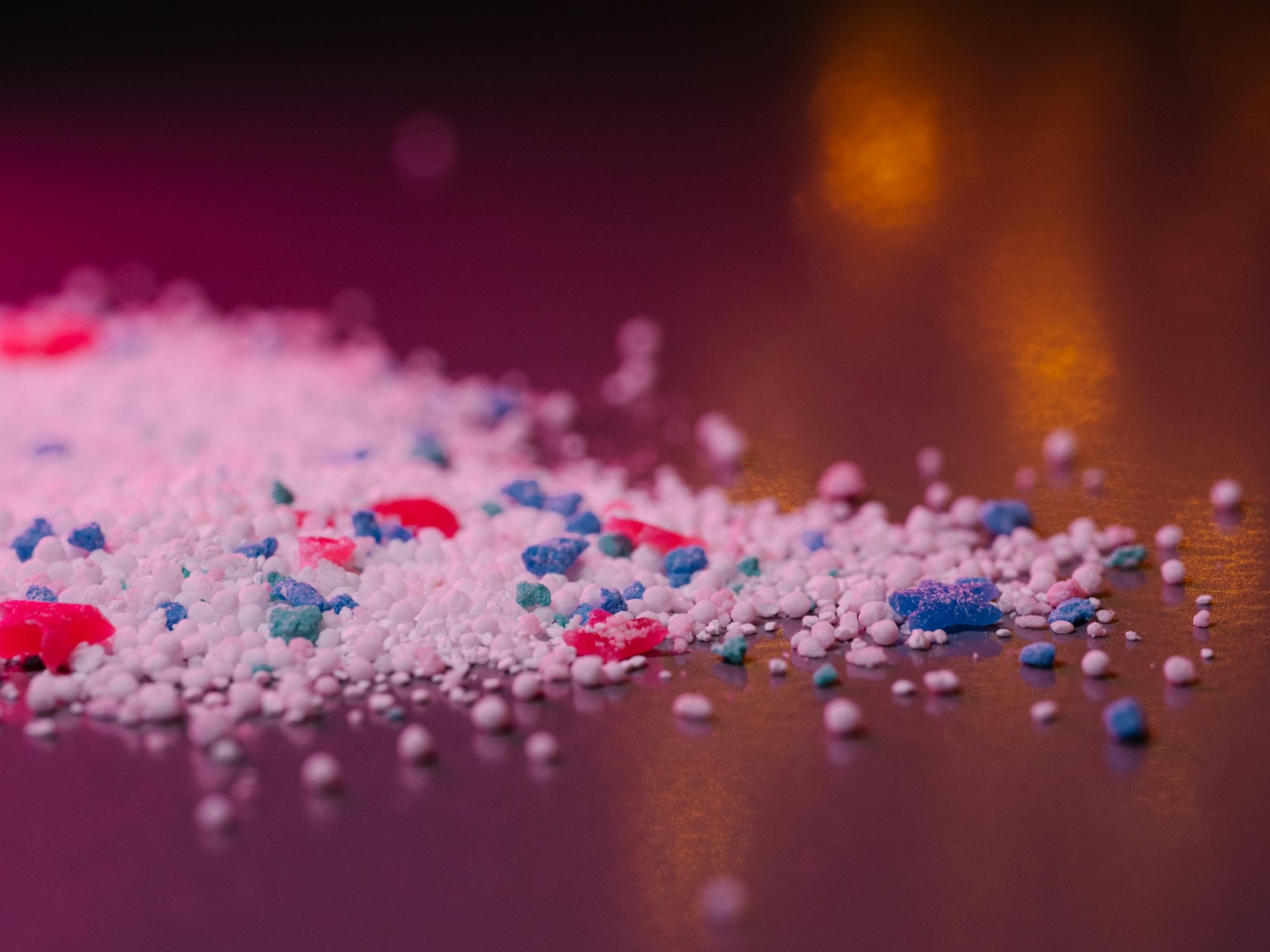
Myth 2: “It’s Only Available in Grey or Black” The Reality: This is a relic of the past. While mixed-color waste often results in grey pellets, source-separated streams (like clear PET bottles or white HDPE jugs) allow for color-matching. Advanced color-sorting technology means recyclers can now offer a wide spectrum of colors, or “natural” pellets that can be dyed to your brand’s specific Pantone.
Myth 3: “The Supply Chain is Unreliable” The Reality: The recycled plastic market has matured into a global commodity. Professional recycling firms now operate with the same logistical rigor as petrochemical giants. By securing long-term contracts with waste generators, top-tier recyclers can guarantee consistent monthly volumes to industrial buyers.
Myth 4: “It Can’t Be Used for Food Packaging” The Reality: Food-grade rPET and rHDPE are widely available and approved by agencies like the FDA and EFSA. Through “super-cleaning” vacuum processes, contaminants are removed to levels safe for direct food contact. Major beverage brands are already using 100% recycled bottles.
Myth 5: “Switching Requires New Machinery” The Reality: In most cases, recycled pellets are “drop-in” solutions. They are designed to mimic the melt flow and processing temperatures of virgin resins. Most injection molding and extrusion machines require little to no modification to start running recycled content today.
Holding onto these myths is a strategic error. The technology, supply chain, and economics of recycled plastics have evolved. By looking past the misconceptions, your business can uncover opportunities for cost savings, brand growth, and environmental stewardship.